


For dairy cow farmers across Thailand, ketosis is the most expensive silent threat their herd faces — and most of them do not know it is there.
She looks fine.
Eating. Standing calmly in her stall. Producing milk as expected.
But something is happening inside that cow that her farmer cannot see. Something that, left undetected for another week, will cost him money he cannot afford to lose.
This is the story of subclinical disease. And it is the most expensive problem in dairy farming that nobody talks about.
Dairy Cows Ketosis In Thailand – The Disease You Cannot See
Subclinical ketosis is a metabolic disorder that affects a significant proportion of dairy cows, particularly in the first two to three weeks after calving. During this transition period, a cow’s energy demands — driven by the sudden onset of milk production — frequently outpace her ability to consume enough feed. As a result, the body responds by mobilising fat reserves. This process produces ketone bodies, including beta-hydroxybutyrate, known as BHB. When BHB accumulates beyond a certain threshold, the cow enters a state of ketosis.
The clinical form — where a cow shows visible symptoms like a distinctive sweet smell on the breath, reduced appetite, and obvious distress — is the version most farmers know to look for. It is also, paradoxically, the less economically damaging of the two.
Subclinical ketosis, however, presents no visible symptoms at all. The cow appears normal. She is milking and moving through the herd without concern. The farmer has no reason to investigate. And yet the evidence of damage is accumulating quietly in her bloodstream and her milk.
Research published in peer-reviewed veterinary science literature and recommendations from Penn State Extension confirm that subclinical ketosis results in average milk losses of 506 pounds per affected cow, with treatment costs of approximately $150 per animal. It is also associated with increased risk of displaced abomasum, metritis, impaired fertility, and a higher likelihood of culling. Furthermore, cows with subclinical ketosis are 0.5% more likely to die and 5% more likely to be removed from the herd.
The cost is not in the cow that collapses. It is in the dozen cows that look perfectly fine.
Why Early Detection Changes Everything
The biology of ketosis gives farmers a narrow but meaningful window. BHB levels in milk rise before clinical signs appear — sometimes days before. This is the window in which intervention is still preventative rather than reactive. Nutritional adjustments, propylene glycol supplementation, veterinary consultation — when applied in this window, therefore, they are effective and relatively inexpensive. When applied after clinical signs have appeared, they are reactive and considerably more costly.
The challenge has always been identifying cows in that window. Laboratory testing of blood serum is the reference standard — but it requires a blood draw, trained personnel, laboratory processing, and a waiting period before results are available. For a farmer managing a herd of any significant size, systematic blood testing of every fresh cow is not operationally realistic.
This is the gap that BHB milk testing strips were designed to fill.
One Minute. One Strip. One Answer.
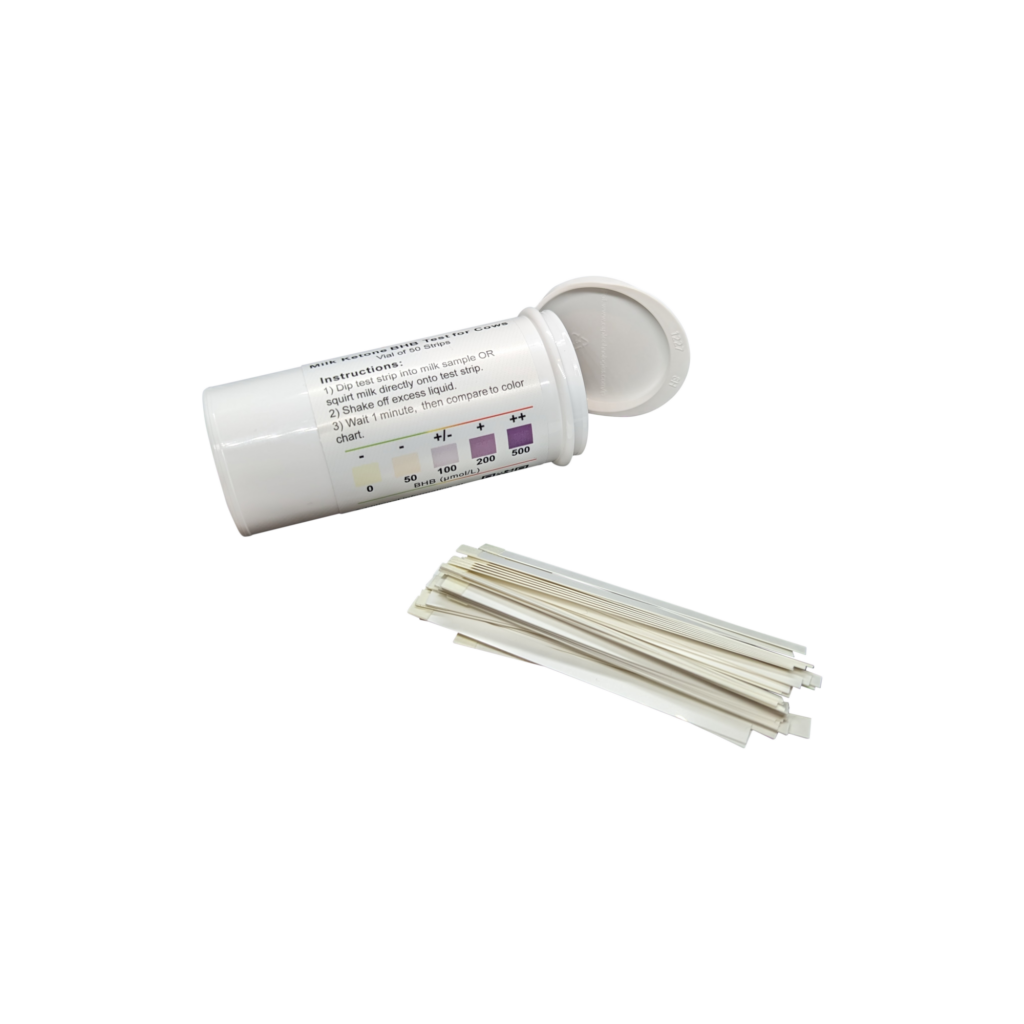
The BHB Cows Milk Ketone Test Strip from Bartovation detects beta-hydroxybutyrate directly in fresh cow milk. No blood draw. No laboratory submission. Training a farmhand to use it takes five minutes at most.
The procedure could not be simpler. Strip milk directly onto the test pad, or dip the strip into a small sample. Shake off the excess. Wait one minute. Then compare the colour change to the chart.
The result is semi-quantitative — not just positive or negative, but stratified across five levels from 0 to 500+ μmol/L of BHB. This matters because the threshold for intervention and the appropriate response differ depending on severity. A reading of 100 μmol/L calls for monitoring and nutritional review. A reading of 500+ μmol/L calls for immediate veterinary consultation.
No refrigeration required. Two-year shelf life. Strips are available and ready when the farmer needs them — at milking time, at freshening, at the moment that matters.
The Mastitis Problem – And A Better Way To Detect It
Subclinical ketosis is not the only invisible threat to dairy herd health and profitability. Subclinical mastitis — udder infection without visible symptoms — is the most prevalent and costly disease in the global dairy industry.
Most farmers are familiar with somatic cell count, or SCC, as the standard indicator of mastitis. SCC measures the number of white blood cells in milk — an indicator of immune response. Elevated SCC signals infection. It is reliable and well-established.
However, there is a limitation that is less well understood. SCC levels rise in response to established infection. By the time SCC flags a problem, the immune response is already underway. The infection is no longer new.
Lactate dehydrogenase — LDH — is an enzyme that leaks from damaged cells earlier in the disease process. LDH levels in milk rise before SCC, providing an earlier signal that something is wrong. Research has shown LDH to be as effective as SCC at indicating mastitis — and in many cases, earlier.
Bartovation’s LDH Milk Test Strips bring this early-detection capability to the cowside. No setup. No laboratory. Strip milk onto the test strip and compare to the chart. A result that previously required laboratory equipment is now available in the milking shed, at the time and place it is most useful.
For farms wanting to monitor both SCC and LDH — Bartovation’s SCC Test Strips complete the picture. Together, the three strips – BHB for ketosis, LDH for early mastitis detection, and SCC for mastitis monitoring and milk quality – form a comprehensive, non-invasive, cowside herd health screening protocol that requires no specialist equipment and no laboratory.
What This Means For Dairy Farmers In Thailand
Thailand’s dairy industry is at a turning point. Domestic milk production continues to grow, supported by government policy and sustained investment from cooperatives and processors who are raising quality standards across the supply chain. For dairy farmers supplying major processors — and for the cooperatives managing quality across their entire supplier base — the pressure to demonstrate consistent herd health, maintain somatic cell count compliance, and reduce antibiotic use is no longer future planning. It is the present reality.
Thailand has committed to reducing antibiotic use in livestock by 50% by 2027. Meeting that target requires early detection and early intervention — treating infections when they are small, preventing them from becoming large. That is precisely what cowside diagnostic tools enable. A farm that detects subclinical ketosis in week one of lactation treats one cow early at low cost. A farm that discovers it in week four treats multiple complications at significantly higher cost.
Addressing dairy cow ketosis in Thailand does not require the infrastructure of a European farm. The tools that large automated dairy operations in Europe and North America have used for years — LDH screening, regular BHB monitoring, systematic SCC surveillance — are now accessible to Thai farms of any size. Not through expensive automated systems requiring capital investment and technical expertise. Through a strip, a vial, and one minute at milking time.
The gap between a farm that monitors proactively and one that responds reactively is not intelligence or intention. It is access to the right tools at the right price point. Those tools are now available in Thailand.
The Limits Of What A Strip Can Tell You
These strips are screening tools. They are not diagnostic instruments and they do not replace veterinary judgment. A positive result calls for consultation with a qualified veterinarian before any treatment decision is made. The value of these tests is in identifying which cows need that consultation — and identifying them early enough for intervention to be effective.
That is a meaningful contribution to animal welfare. A cow that is detected and treated early suffers less. A farmer who detects and treats early spends less and loses less. These interests are not in conflict. They are the same interest.
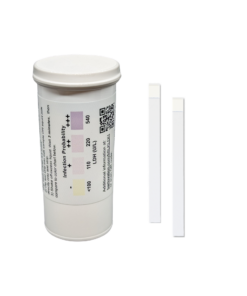


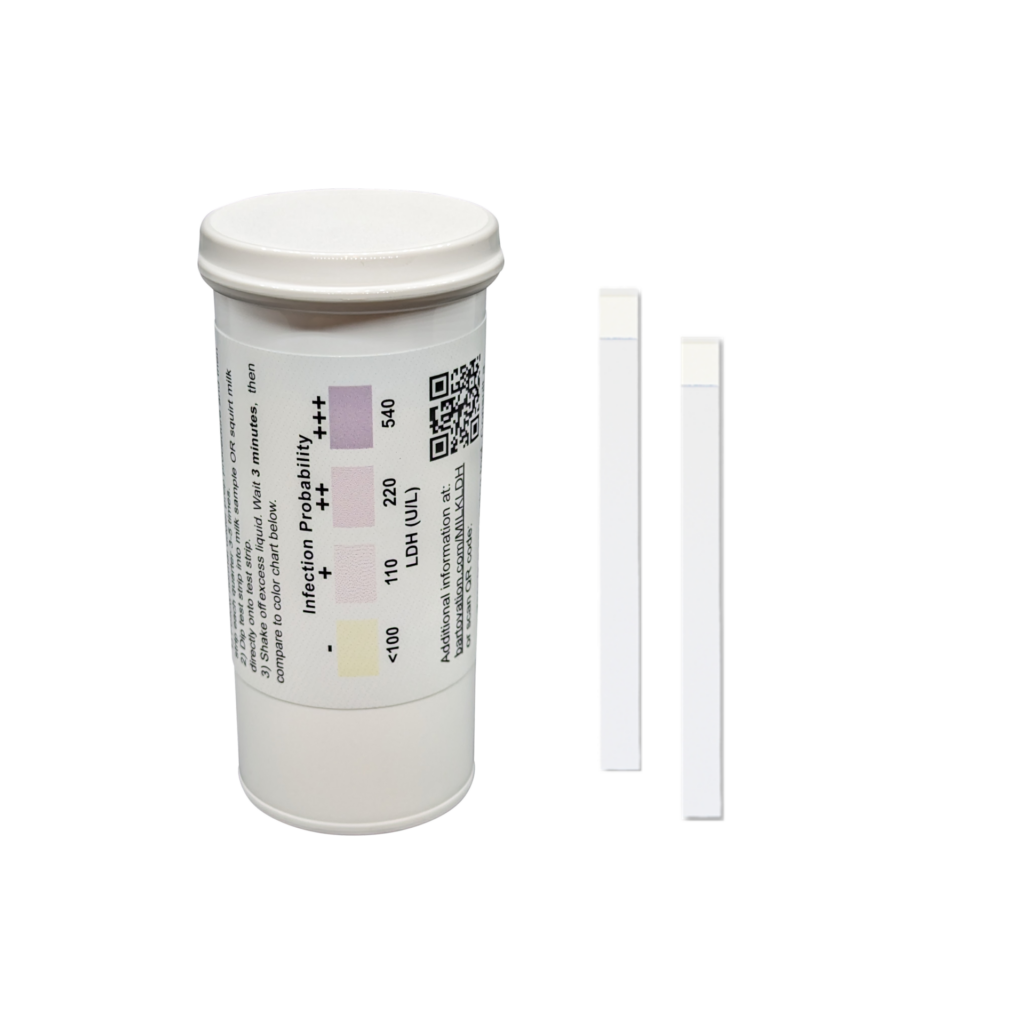
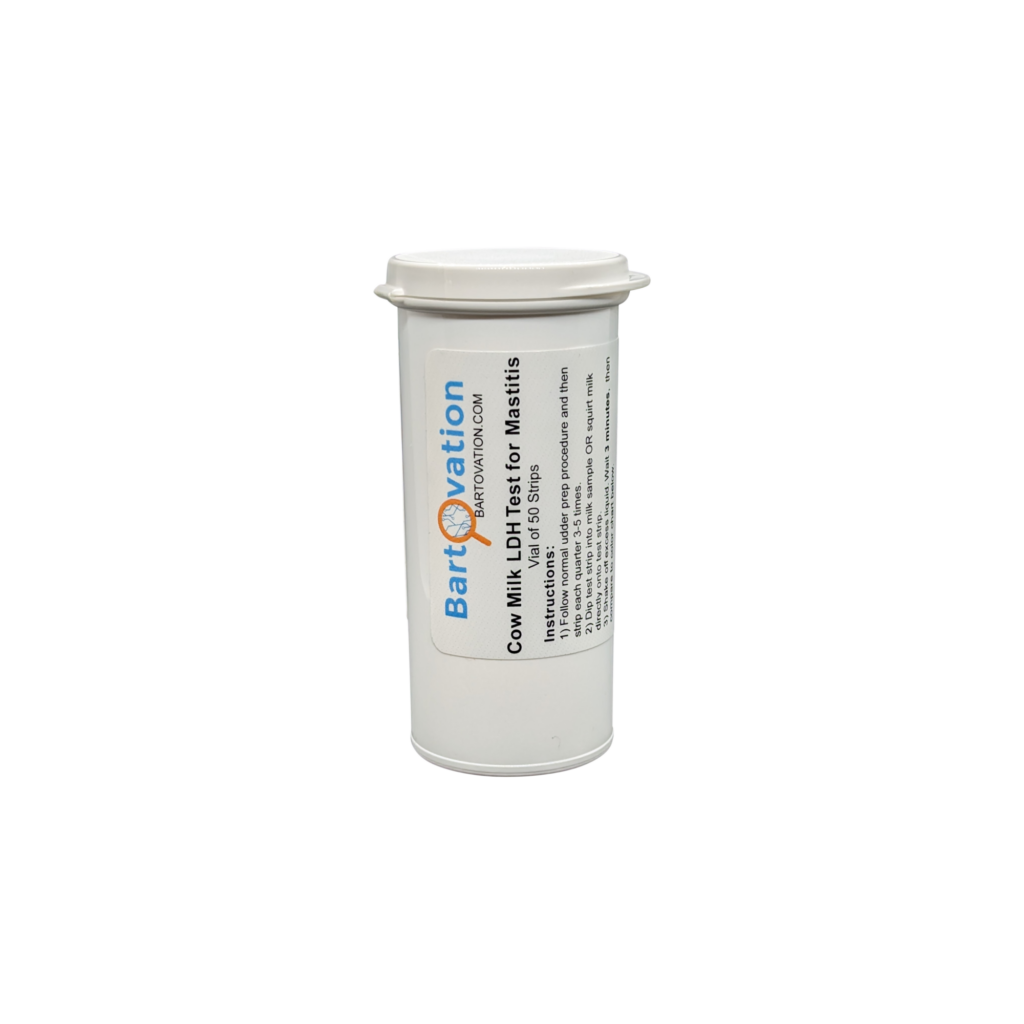
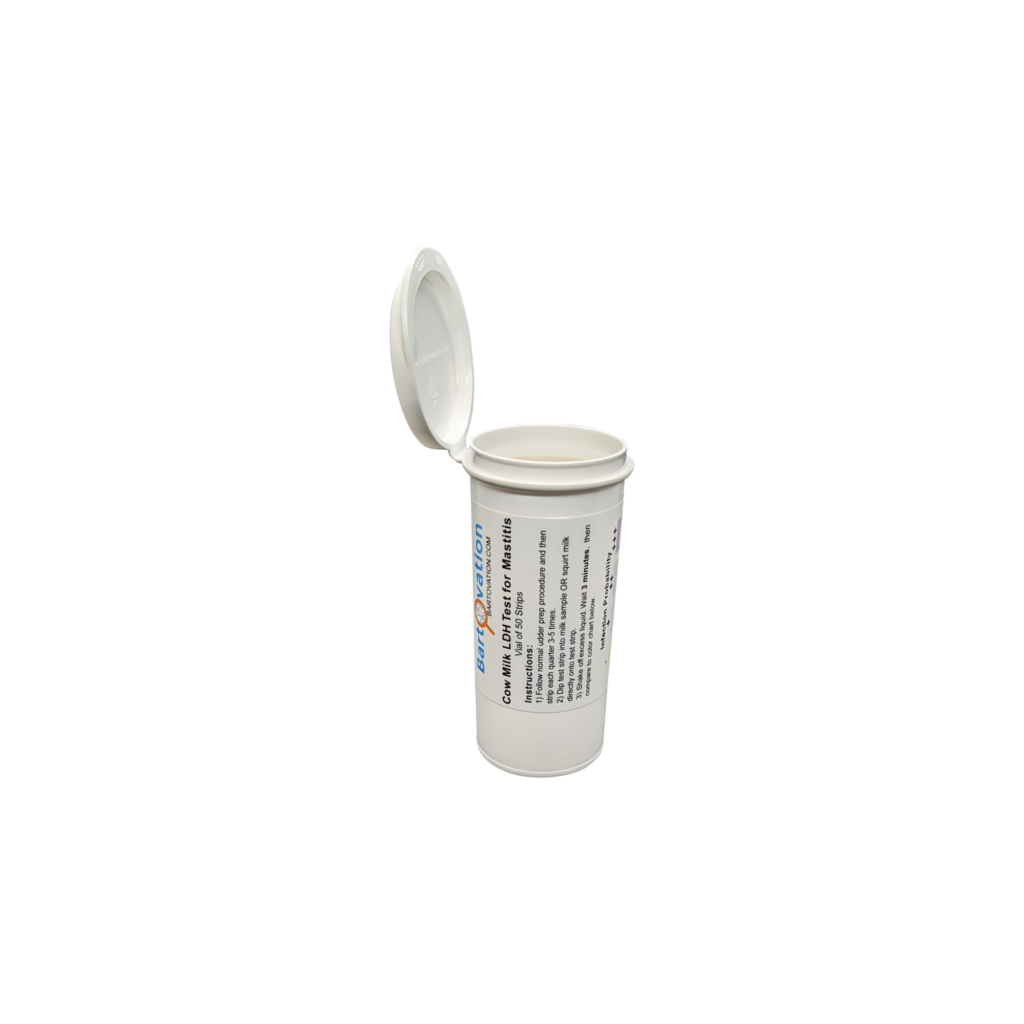
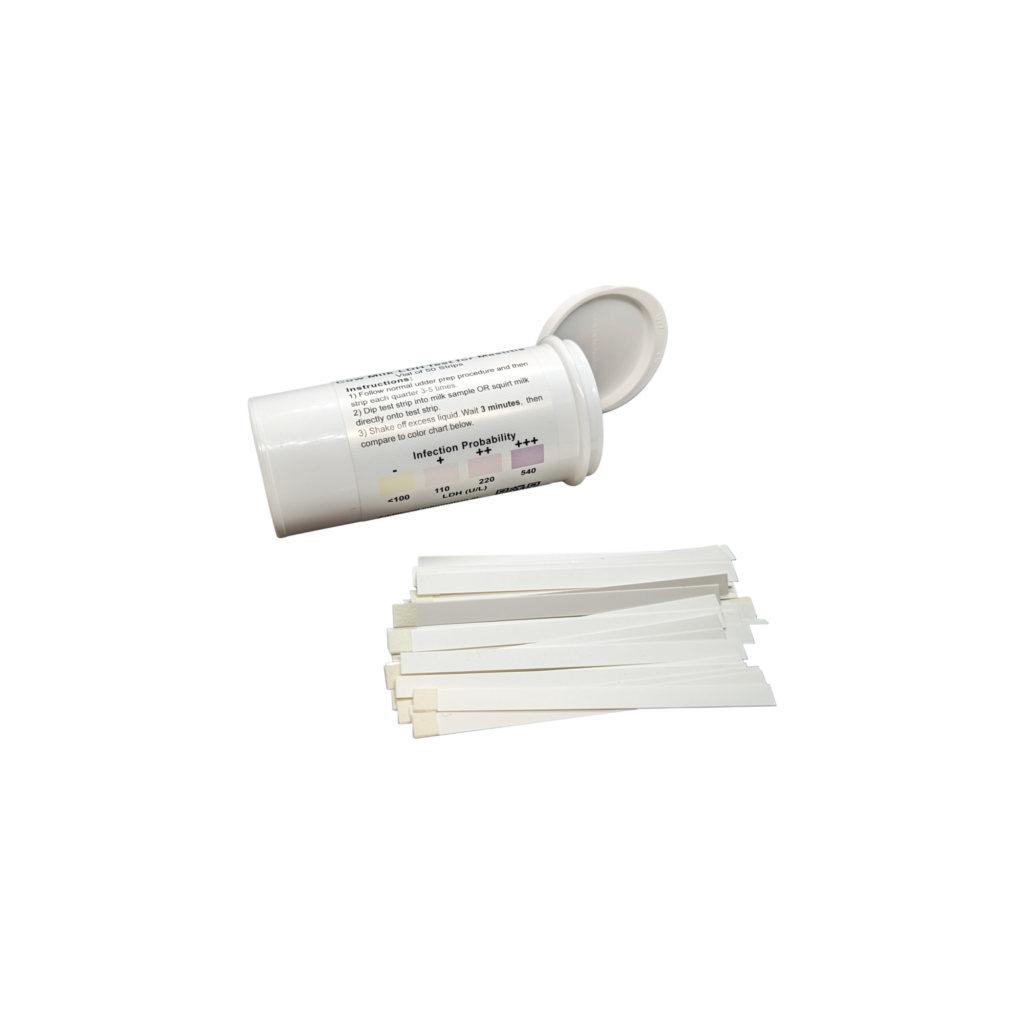
LDH Cows Milk Test Strips for Mastitis Detection
The LDH mastitis test for cows detects subclinical udder infection earlier than any SCC-based method. Cowside. Three minutes. No setup. No laboratory. By the time somatic cell count rises, the infection is already established — LDH rises first, giving you the window to act when intervention still costs less than the disease.
Supplied by BCST — authorized distributor for Bartovation in Thailand.


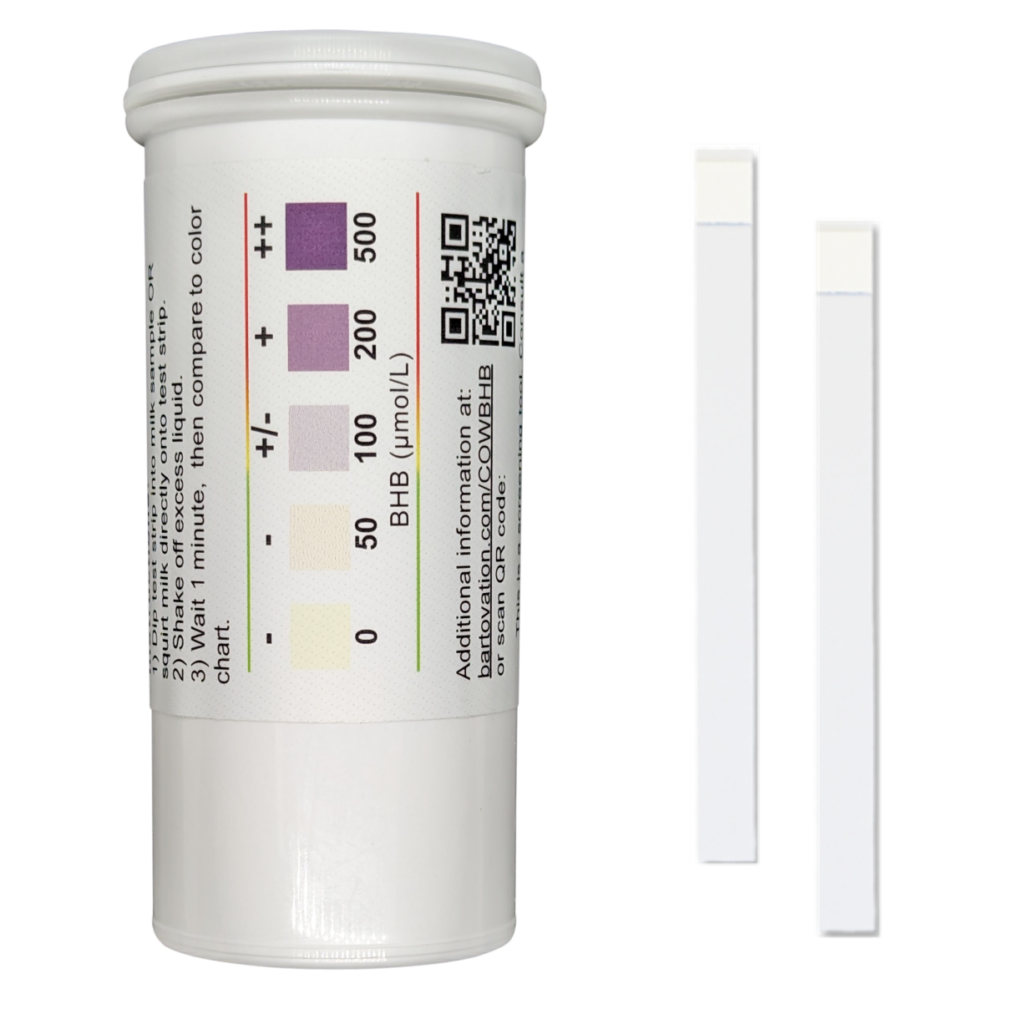
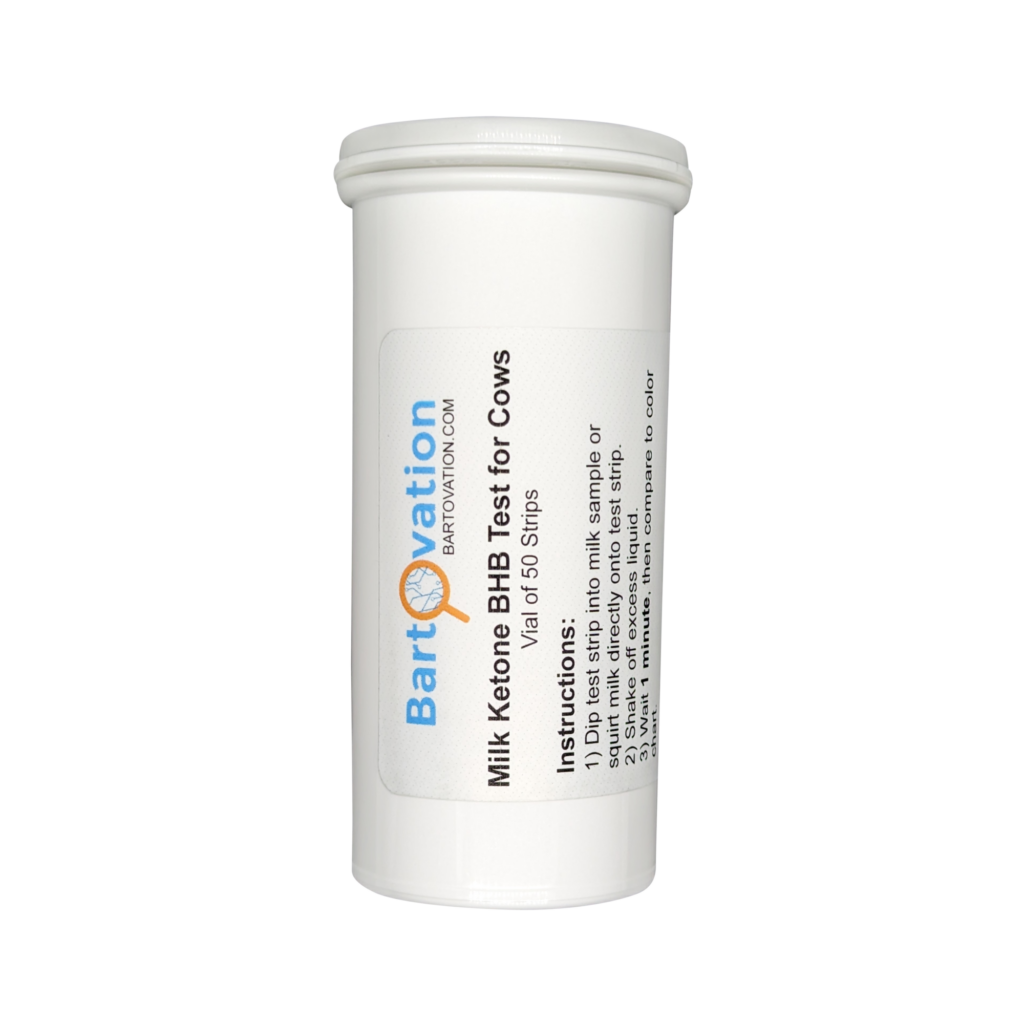
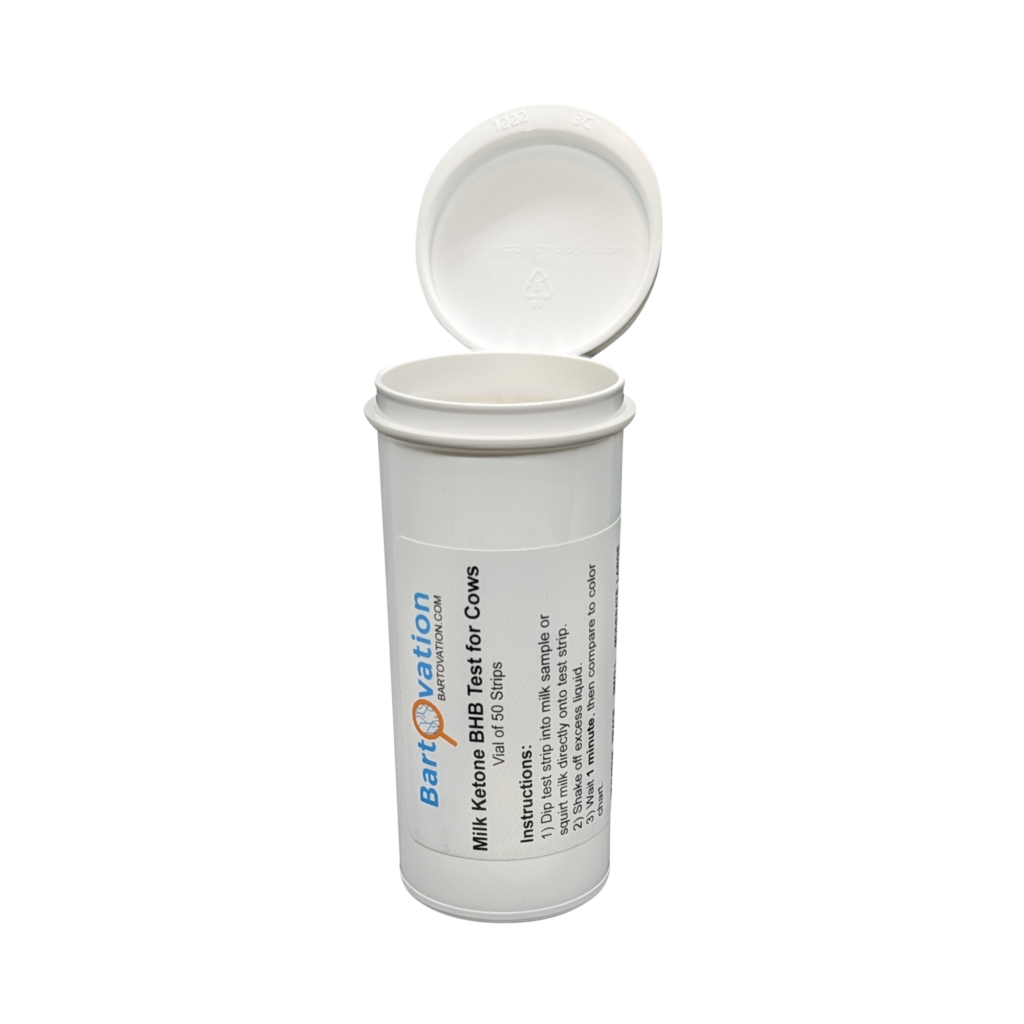
BHB Cows Milk Ketone Test Strips
The BHB ketone test for cows detects subclinical ketosis before a single symptom appears. Cowside. One minute. No blood draw. No laboratory. The most expensive disease in your dairy herd is invisible – and this test finds it before it costs you.
Supplied by BCST — authorized distributor for Bartovation in Thailand.




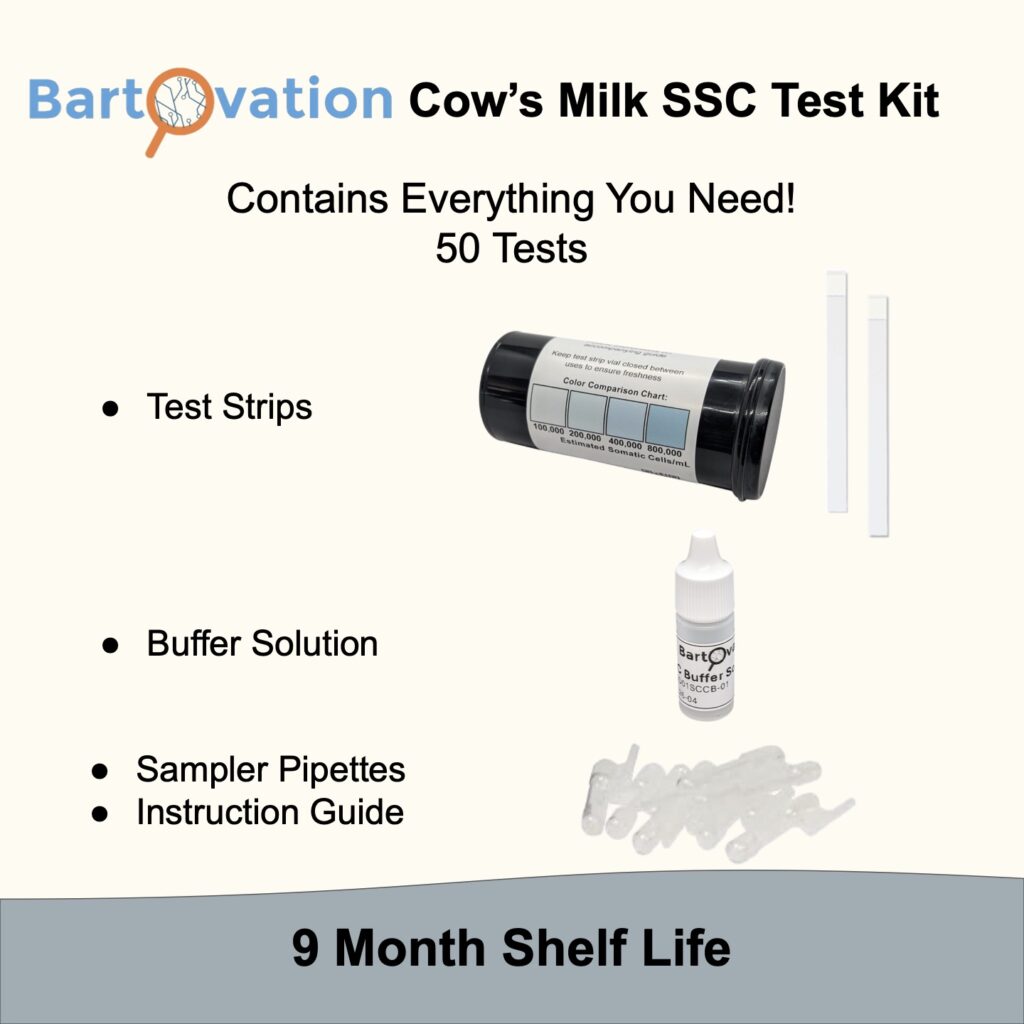
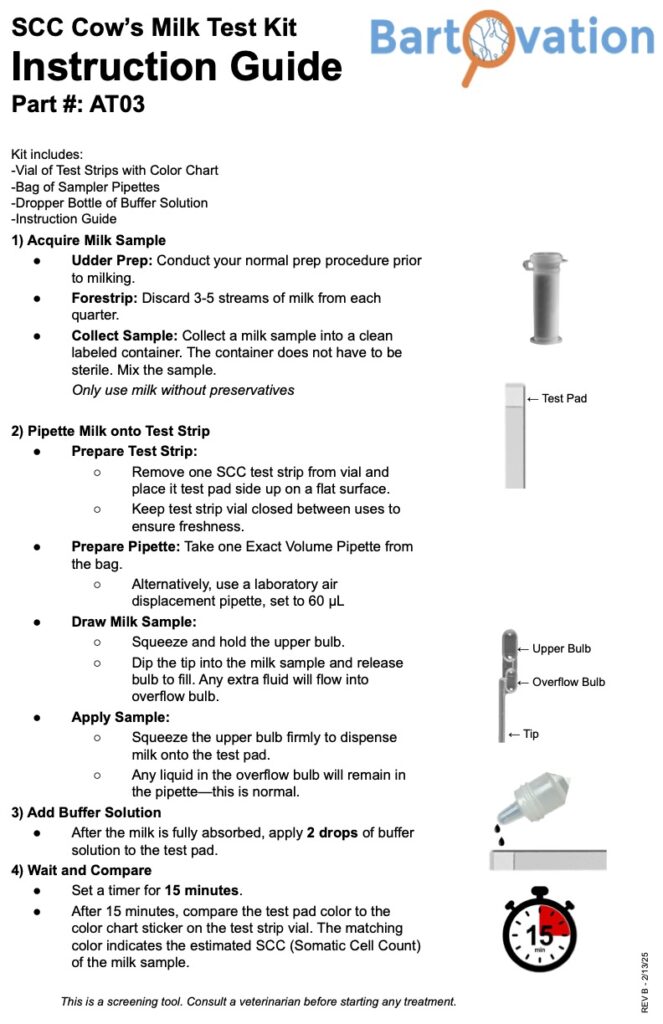
SCC Cows Milk Test Strips — Somatic Cell Count & Mastitis Screening
Every dairy farmer knows somatic cell count matters. High SCC means lower milk quality, lost premiums, and hidden infection. What most farmers do not have is a reliable, affordable way to measure it cowside — without sending samples to a laboratory and waiting days for results. This SCC test strip delivers objective, numerical results in 15 minutes from a fresh milk sample. No laboratory. No electronic meter. No subjectivity. Just a clear answer, at the right time, where the cow is.
Supplied by BCST — authorized distributor for Bartovation in Thailand.
Frequently Asked Questions
What is dairy cow ketosis and why does it matter in Thailand? Dairy cow ketosis is a metabolic disorder occurring in the first two to three weeks after calving, when a cow’s energy demands exceed her feed intake. The body mobilizes fat reserves, producing ketone bodies including beta-hydroxybutyrate (BHB). Unlike clinical ketosis, subclinical ketosis presents no visible symptoms — the cow appears normal while suffering measurable losses in milk production, fertility, and health. In Thailand, where antibiotic reduction targets are tightening and processor quality standards are rising, early detection of dairy cow ketosis is becoming an operational necessity.
How do you test for subclinical ketosis in dairy cows? The most practical on-farm method is a BHB milk test strip. Strip fresh foremilk directly onto the test pad, wait one minute, and compare the colour change to the chart. Results are available immediately at the cowside with no laboratory or blood draw required. Laboratory blood serum testing remains the reference standard but is not operationally realistic for systematic herd monitoring.
What is the difference between LDH and SCC mastitis testing? Somatic cell count (SCC) rises in response to established udder infection — by the time SCC is elevated, the infection is already underway. Lactate dehydrogenase (LDH) leaks from damaged udder cells at the earliest stages of infection, before SCC rises. LDH therefore provides earlier detection, giving farmers a wider window for effective intervention.
Are cowside test strips available for dairy farms in Thailand? Yes. BHB ketone test strips, LDH mastitis test strips, and SCC test strips from Bartovation are available in Thailand through BCST — Biochem Scitech Co., Ltd. These products require no laboratory equipment, no refrigeration, and deliver results within one to fifteen minutes at the milking shed.
Why is early mastitis and ketosis detection important for Thai dairy farms? Thailand has committed to reducing antibiotic use in livestock by 50% by 2027. Early detection of subclinical ketosis and mastitis enables early intervention — reducing the need for antibiotic treatment and the associated costs of milk loss, fertility problems, and premature culling. Proactive monitoring is both economically and welfare-justified.
For Dairy Farmers And Milk Processors Interested In These Solutions
BCST is the authorized distributor for Bartovation dairy health products in Thailand. We supply the BHB Ketone Test Strips, the LDH Mastitis Test Strips, and the SCC Test Strips with full technical support and product documentation.
If you manage a dairy operation or supply milk to a processor with quality requirements — we would welcome a conversation.
BCST is the authorized distributor for Bartovation dairy health products in Thailand, supporting dairy cow ketosis detection and mastitis screening across the country.
For Further Questions