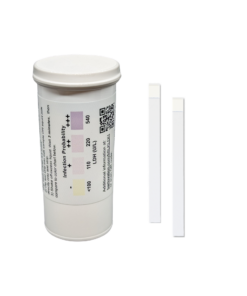

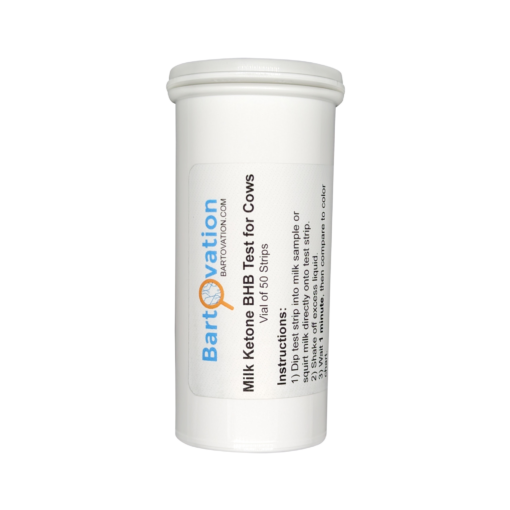
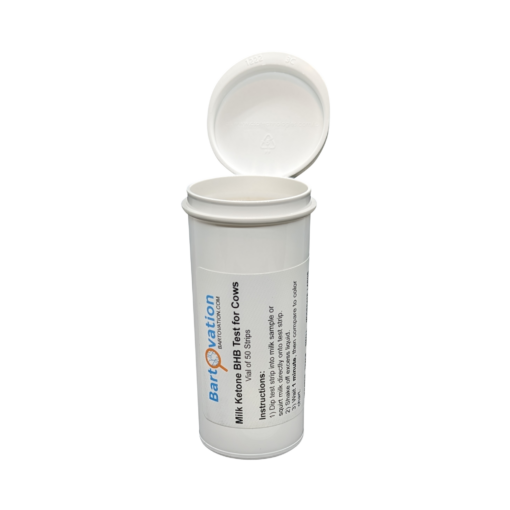
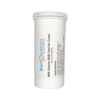
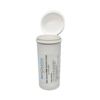
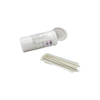
BHB Cows Milk Ketone Test Strips
4,809.00 ฿
The BHB ketone test for cows detects subclinical ketosis before a single symptom appears. Cowside. One minute. No blood draw. No laboratory. The most expensive disease in your dairy herd is invisible – and this test finds it before it costs you.
Supplied by BCST — authorized distributor for Bartovation in Thailand.
What Is Subclinical Ketosis And Why Does It Matter?
In the first two to three weeks after calving, a dairy cow faces her greatest metabolic challenge. Milk production begins suddenly while feed intake lags behind. As a result, the body mobilises fat reserves — a process that produces ketone bodies, including beta-hydroxybutyrate, or BHB. When BHB accumulates beyond a critical threshold, the cow enters a state of ketosis.
Subclinical ketosis, however, presents no outward signs. The cow is standing, eating, and milking. Nothing visible alerts the farmer to the problem unfolding inside. Yet the metabolic imbalance is already generating measurable consequences — reduced milk production, impaired reproductive performance, elevated risk of displaced abomasum, metritis, and a higher probability of culling.
Research from Cornell University documented average milk losses of 506 lbs per affected cow, with treatment costs of approximately $150 per animal. Furthermore, subclinical ketosis contributes to 0.5% death loss and a 5% culling rate among affected animals.
In fact, this condition is far more common than clinical ketosis — and far more economically damaging precisely because it goes undetected. Consequently, the BHB ketone test for cows was developed to close this gap between what farmers can see and what is actually happening inside their herd.
How The BHB Ketone Test Works Cowside
The BHB ketone test for cows measures beta-hydroxybutyrate directly in fresh foremilk using a semi-quantitative dipstick format. The test pad contains an enzyme-based reagent that reacts specifically with BHB, producing a colour change proportional to the concentration present.
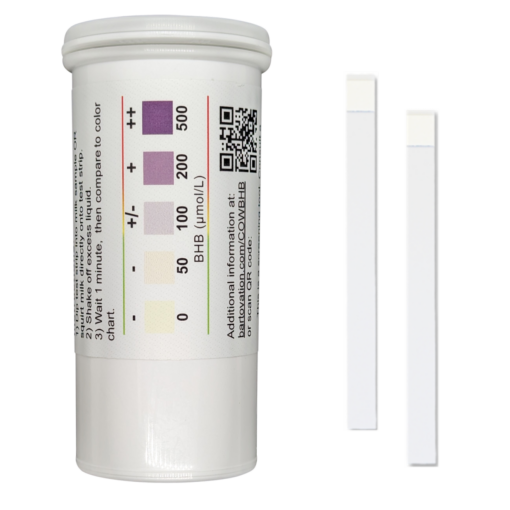
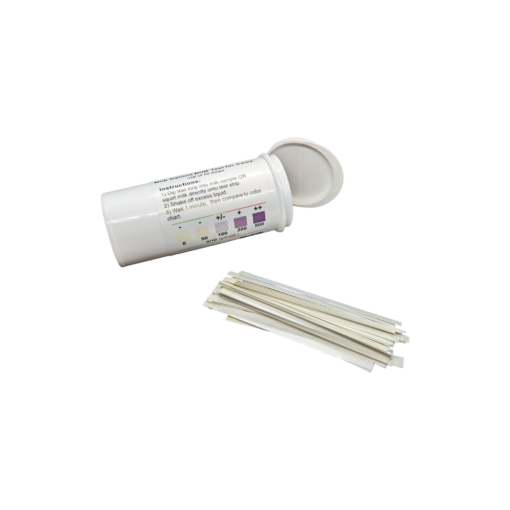
The procedure suits the milking environment — not the laboratory. Strip milk directly onto the test pad or dip the strip into a small sample of fresh milk. Then shake off the excess and wait one minute. Finally, compare the colour to the chart supplied with the vial.
The test stratifies results across five levels, allowing a differentiated management response rather than a simple positive or negative reading:
| BHB Level | Result | Action |
| 0–99 μmol/L | Negative | Normal - continue routine monitoring |
| 100–199 μmol/L | Weak Positive | Flag cow - nutritional review indicated |
| 200–499 μmol/L | Positive | Consult veterinarian - intervention required |
| 500+ μmol/L | Highly Positive | Immediate veterinary consultation |
When To Use This Test
For individual cow management, test all fresh cows once per week during the first two weeks of lactation. This protocol identifies approximately 95% of subclinical cases. Peak incidence occurs at 2 to 14 days in milk and may extend to 21 days. In addition, avoid testing within four hours of feeding — instead, sample cows as they enter the feeding stalls for the most accurate results.
For herd-level management, check 12 cows per feeding group quarterly. If two or more animals test positive, consult your veterinarian or nutritionist to evaluate herd feed rations. Factors that commonly influence ketosis incidence include feed bunk space, overcrowding, heat stress, and transition diets.
Practical Advantages Over Blood Testing
Blood serum BHB testing represents the laboratory reference standard for subclinical ketosis detection. It is accurate and well-validated. However, a blood draw requires trained personnel, laboratory processing, and a waiting period before results arrive. For a farmer managing a herd of any significant size, systematic blood testing of every fresh cow is simply not operationally realistic.
By contrast, the BHB ketone test for cows delivers a result in one minute from a fresh milk sample collected during normal milking. No additional equipment is necessary. No blood draw takes place. No laboratory submission is required. The result is available immediately, at the point of care, when the information is still actionable. As a result, systematic screening of every fresh cow becomes not only possible but practical for farms of any size.
Storage And Handling
No refrigeration is required — the strips remain stable at room temperature with a two-year shelf life from the date of manufacture. The vial must stay tightly sealed between uses, as test strips absorb moisture easily. Direct sunlight and high humidity will compromise reagent performance, so always store the vial away from both.
If strips appear pink or purple before use, discard them — this discolouration indicates moisture or light exposure has already affected the reagent. Unused strips should show a yellow reagent pad. Test milk samples at temperatures between 8°C and 35°C. If the sample has been refrigerated, allow it to reach room temperature before testing and use it within 24 hours of collection.
Antibiotics present in milk do not interfere with BHB test results.
Important Notice
This test is a screening tool for on-farm use. You should not use it as a laboratory reference method or as a diagnostic instrument. Always consult a qualified veterinarian before initiating any treatment based on test results. This product is validated for fresh cow’s milk only and has not been tested in goat or sheep milk samples.
Product Details
| Manufacturer | Bartovation |
| Article Number | BAR-AT01V50 |
| Contents | Vial of 50 test strips |
| Shelf Life | 2 years from date of manufacture |
| Storage | Room temperature - no refrigeration required |
| Validated Matrix | Fresh cow foremilk |
Recommended companion products: LDH Mastitis Test Strips (AT02V50) — early mastitis detection SCC Test Strips (AT03V50) — somatic cell count monitoring and milk quality
Related products
-

Milk Analysis Thailand — Randox Biochip Array Technology for Dairy Residue Testing | BCST
-
LDH Cows Milk Test Strips for Mastitis Detection
2,719.50 ฿ -
SCC Cows Milk Test Strips — Somatic Cell Count & Mastitis Screening
4,042.50 ฿ -
Randox Evidence MultiSTAT Thailand — Fully Automated Milk Analysis | BCST