
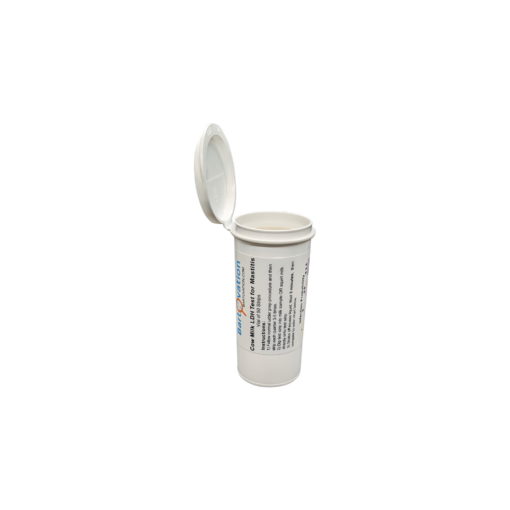
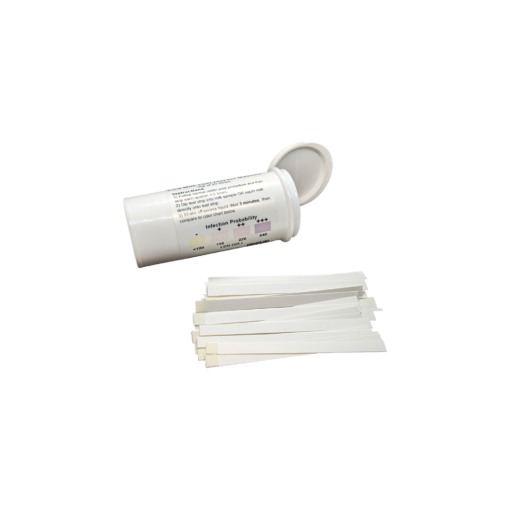
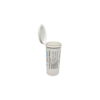
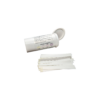
LDH Cows Milk Test Strips for Mastitis Detection
2,719.50 ฿
The LDH mastitis test for cows detects subclinical udder infection earlier than any SCC-based method. Cowside. Three minutes. No setup. No laboratory. By the time somatic cell count rises, the infection is already established — LDH rises first, giving you the window to act when intervention still costs less than the disease.
Supplied by BCST — authorized distributor for Bartovation in Thailand.
The Problem With Waiting For SCC
Mastitis is recognized as the most prevalent and costly disease in the dairy industry, affecting milk quality, cow welfare, and farm profitability simultaneously. Somatic cell count has served the dairy industry as the primary mastitis indicator for decades. It works on a sound principle — when bacterial infection attacks udder tissue, the immune system floods the area with white blood cells. These somatic cells accumulate in milk. Elevated SCC signals that the immune response is already underway.
However, the limitation is embedded in that same mechanism. By the time SCC rises to detectable levels, the immune response is active and the tissue damage has begun. Consequently, the window for the least costly intervention has already narrowed before the test delivers its signal.
Lactate dehydrogenase — LDH — operates differently. LDH is an intracellular enzyme present in udder epithelial cells. When those cells suffer damage — at the very earliest stages of bacterial infection, before the immune cascade fully activates — LDH leaks directly into the milk. As a result, LDH appears in elevated concentrations earlier in the disease process than somatic cells do.
Furthermore, SCC responds to factors entirely unrelated to infection — stage of lactation, parity, breed, age, stress, and nutrition all influence the reading. By contrast, LDH is a more specific indicator of actual tissue damage, making it a more reliable signal for determining whether genuine udder infection is present.
How The LDH Mastitis Test Works For Dairy Cows
The LDH mastitis test for cows measures lactate dehydrogenase directly in fresh cow milk using a semi-quantitative dipstick format. The procedure requires no equipment, no setup, and no laboratory submission of any kind.
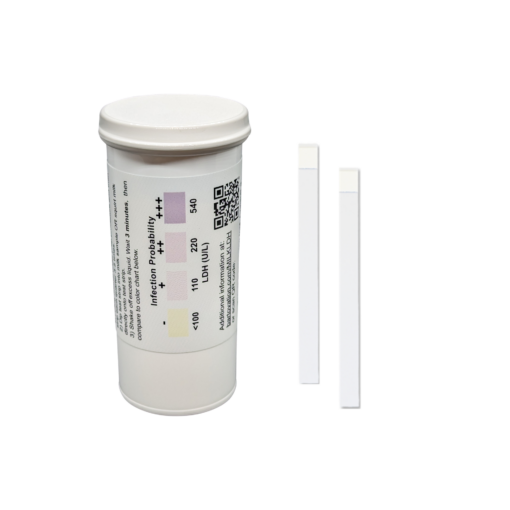
Strip milk directly onto the test pad or dip the strip into a small vial of fresh milk. Then shake off the excess milk from the strip. Wait three minutes. Finally, compare the colour to the chart provided.
Read results at exactly three minutes. After this point, the colour may continue to develop — disregard any changes that occur beyond the specified reading time, as only the three-minute reading is calibrated for accuracy.
The test stratifies results across four levels of infection probability:
| LDH Level (U/L) | Result | Infection Probability |
| Less than 100 | Negative (-) | Low |
| 100-220 | Positive (+) | Medium |
| 220-540 | Positive (++) | High |
| Greater than 540 | Positive (+++) | Very High |
When To Use This Test
The LDH mastitis test is most valuable at critical points in the cow’s lactation cycle and for targeted monitoring of at-risk animals.
Test cows at freshening and dry-off — the periods of highest infection risk. In addition, screen first-calf heifers before they enter regular production. Monitor treated cows to confirm recovery before returning them to normal management. Furthermore, evaluate purchased cows before introducing them to the herd to prevent the spread of infection. Conduct monthly herd screenings to identify subclinical cases before they progress. Check cows before insemination to confirm infection-free status.
For bulk tank testing, LDH remains stable in milk and testing is possible when the tank contains milk from a single recent milking. However, when interpreting bulk tank results, refer to the LDH concentration values only — the infection probability scale applies to quarter testing specifically and does not translate directly to bulk tank samples.
How LDH Compares To SCC Testing
LDH and SCC testing complement each other rather than compete. Each delivers information the other cannot provide.
LDH detects tissue damage at the earliest stage of infection, before somatic cells fully mobilise. SCC, on the other hand, confirms and tracks established infection and monitors its resolution. A cow with elevated LDH and normal SCC is likely at the very beginning of an infection — the optimal moment to intervene before costs accumulate. However, a cow with elevated SCC and normal LDH may have high somatic cell counts driven by factors other than active udder infection.
Together, therefore, LDH and SCC provide a complete picture of udder health that neither test delivers independently. As a result, farms using both tests make better management decisions with substantially greater confidence.
Storage And Handling
Store the test strips between 2°C and 25°C and refrigerate whenever possible. The vial must remain tightly sealed at all times, as test strips absorb moisture easily. Direct sunlight will degrade the reagent — always store the vial away from light sources.
Use strips within 15 minutes of removing them from the vial. Reseal the vial immediately after taking a strip out. Unused strips should show a yellow reagent pad — discard any strips that have changed colour in storage.
Test milk samples at room temperature. If the sample has been refrigerated, allow it to warm and mix it thoroughly before testing. Fresh milk gives the most accurate results — samples remain valid up to 12 hours unrefrigerated or up to one week when refrigerated. Do not use milk containing preservatives as these interfere with results. Antibiotics, however, do not affect LDH test performance.
Important Notice
This test is a screening tool for on-farm use. You should not use it as a laboratory reference method or as a diagnostic instrument. Test results do not constitute a diagnosis of disease. Always consult a qualified veterinarian before initiating any treatment based on test results.
Product Details
| Manufacturer | Bartovation |
| Article number | BAR-AT02V50 |
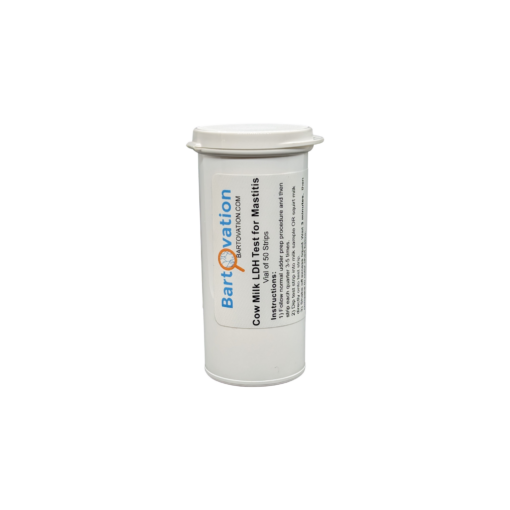
| Contents | Vial of 50 test strips |
| Storage | 2°C to 25°C — refrigerate when possible |
| Validated Matrix | Fresh cow milk - quarter and composite samples |
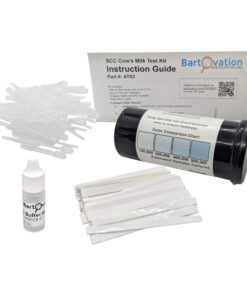
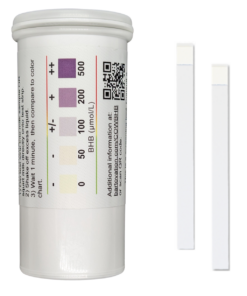
Recommended companion products: BHB Ketone Test Strips (AT01V50) — subclinical ketosis detection SCC Test Strips (AT03V50) — somatic cell count monitoring and milk quality