


Feed and Cereals Analysis Thailand — Randox ELISA Kits and Biochip Array | BCST
Randox feed and cereals analysis products, available exclusively in Thailand through BCST, give Thai feed mills, livestock operations, and grain processors validated screening capability across every critical residue and contaminant class. Two platforms serve every scale of operation and every budget.
ELISA Kits — Aflatoxin B1, Aflatoxin Total, Beta-Agonists, Ractopamine, Sulphadiazine, Chloramphenicol (standard and Fast), and Ergot Alkaloids. Individual analyte screening requiring only a microplate reader, incubator, and pipettes.
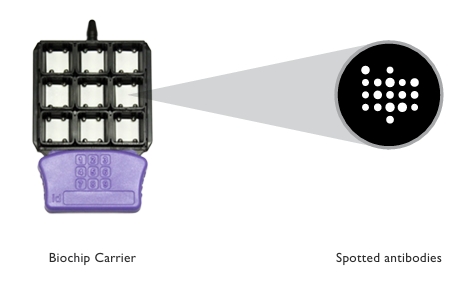
Biochip Array Kits — Myco 7 (AOAC International certified, November 2025), Myco 6, Growth Promoter Multiple Matrix Screen, Coccidiostats Feed, and Antimicrobial Array II Plus. Multi-analyte simultaneous screening using the Randox Evidence Investigator.
Contact BCST for pricing, availability, and technical documentation for your specific application.
Feed and Cereals Analysis in Thailand — Why Feed Is the Foundation of Food Safety
Feed and cereals analysis in Thailand, supported by Randox ELISA kits and Biochip Array solutions available through BCST, addresses the most upstream point in the food safety chain. Specifically, it targets the quality of the raw materials that enter animal production systems. Every residue detected in meat, poultry, dairy, and aquaculture products traces back, at least in part, to what the animal consumed.
Thailand’s feed industry supplies one of the most productive livestock and aquaculture sectors in Asia. Feed mills process maize, soybean meal, cassava, and other raw materials from multiple countries. Each origin carries different contamination risks depending on harvest conditions and storage history. Without systematic screening at goods receipt and during processing, contamination passes invisibly through the feed chain. Consequently, it accumulates in animal tissue and surfaces only at the border of an export market — by which point the damage is done.
Randox feed and cereals products give Thai feed mills, livestock operations, and grain processors validated, documented screening capability. Moreover, the documentation these tools produce supports HACCP records, ISO 22000 quality systems, and export compliance files. BCST distributes the complete current Randox feed and cereals range in Thailand, providing IFU-level technical support and full documentation for every kit and array.
The Regulatory Framework for Feed Safety
Thai feed producers supplying livestock operations with EU export obligations must comply with Commission Regulation (EU) 2023/915. This regulation establishes EU maximum levels for contaminants and undesirable substances in feed. In practice, growth promoters including ractopamine and beta-agonists are prohibited in the EU and in over 160 other markets. Detection of these substances in feed supplied to animals destined for export constitutes a violation at the source — before the animal has been slaughtered.
Codex Alimentarius standards for feed contaminants additionally apply to international trade disputes. Compliance with these frameworks requires systematic, documented screening. Randox ELISA kits and Biochip Array solutions provide the validated tools to produce that documentation.
Platform 1 — ELISA Kits for Feed and Cereals Analysis
Who Should Choose ELISA
ELISA suits operations beginning systematic feed safety screening, feed mills testing moderate batch volumes for specific analytes, and any operation where capital instrument investment in the Evidence Investigator is not yet justified by testing volume. Any professional laboratory can implement Randox ELISA kits with a microplate reader at 450 nm, an incubator, and a pipetting station — no additional capital expenditure required.
Feed and Cereals ELISA Kits — Complete Specifications
| Specification | Aflatoxin B1 | Aflatoxin Total | Sulphadiazine | Ractopamine | Sulphadiazine |
| Cat. No. | RDX-AFT10751 | RDX-ATB10758 | RDX-SU2148 | RDX-RT3451 | RDX-SZ2147 |
| Analyte | Aflatoxin B1 | Aflatoxin Total | Beta-Agonists (Clenbuterol, Salbutamol, 12 additional) | Ractopamine | Sulphadiazine |
| Format | 96-well microplate | 96-well microplate | 96-well break-apart | 96-well break-apart | 96-well break-apart |
| Tests per kit | 96 | 96 | 96 (40 in duplicate) | 96 (40 in duplicate) | 96 (40 in duplicate) |
| Test type | Competitive immunoassay | Competitive immunoassay | Competitive immunoassay | Competitive immunoassay | Competitive immunoassay |
| Standards | 6×1 mL CRM | 6×1 mL CRM | 6×2 mL CRM | 6×2 mL CRM | 6×2 mL CRM |
| Readout | 450 nm (ref 630 nm) | 450 nm (ref 630 nm) | 450 nm (ref 630 nm) | 450 nm (ref 630 nm) | 450 nm (ref 630 nm) |
| Run time | ~2.5 hours | ~2.5 hours | ~1 hr 20 min | ~1 hr 20 min | ~1 hr 20 min |
| Incubation | +25°C | +25°C | +15–25°C | +15–25°C | +15–25°C |
| LOD — Feed | Contact BCST | Contact BCST | 5 ng/g | 2 ng/g | 5 ng/g |
| LOD — Milk | N/A | N/A | 0.2 ng/ml | 0.07 ng/ml | 5 ng/ml |
| LOD — Tissue | N/A | N/A | 0.25 ng/g (IAC) | 0.5 ng/g | 5 ng/g |
| LOD — Urine | N/A | N/A | 0.3 ng/ml | 0.6 ng/ml | 5 ng/ml |
| Sample types | Grains, cereals, feed | Grains, cereals, feed | Feed, tissue, urine, milk, serum, hair, feather | Feed, tissue, urine, milk, milk powder | Feed, tissue, urine, milk, egg, serum |
| Extraction | Contact BCST | Contact BCST | Matrix-dependent (see IFU) | Matrix-dependent (see IFU) | Buffer dilution |
| Wash steps | 4 | 4 | 6 | 6 | 6 |
| Curve fitting | 4PL logistic | 4PL logistic | 4PL logistic | 4PL logistic | 4PL logistic |
| Storage | 2–8°C | 2–8°C | 2–8°C | 2–8°C | 2–8°C |
| ISO 9001 | Yes | Yes | Yes | Yes | Yes |
| Confirmatory | HPLC, LC-MS | HPLC, LC-MS | LC-MS, GC-MS | LC-MS/MS | HPLC, LC-MS |
Important — Beta-Agonist tissue testing: The Immunoaffinity Column Kit previously required for liver, kidney, and muscle tissue analysis with RDX-SU2148 has been discontinued. Randox is evaluating an alternative. Urine, feed, milk, and serum analysis with RDX-SU2148 are fully operational and unaffected. Contact BCST for the current status before ordering for tissue-specific applications. For growth promoter tissue screening via Biochip Array, the Growth Promoters Immunoaffinity Columns (RDX-GP1821) support the Evidence Investigator tissue workflow.
Chloramphenicol ELISA Kits for Feed
| Parameter | RDX-CN10171 | RDX-CN1469 |
| Cat. No. | RDX-CN10171 | RDX-CN1469 |
| Analyte | Chloramphenicol Fast | Chloramphenicol |
| Distinction | Accelerated protocol — shorter run time | Standard protocol |
| Matrix | Feed and multiple matrices | Feed and multiple matrices |
| Regulatory reference | Zero tolerance across all major export markets | Zero tolerance across all major export markets |
| ISO 9001 | Yes | Yes |
Ergot Alkaloids ELISA (RDX-EA3491) — The Only EU-Compliant Commercial Kit
| Parameter | Detail |
| Cat. No. | RDX-EA3491 |
| Analyte | Sum of 12 Ergot Alkaloids — ergometrine, ergosine, ergocornine, ergotamine, ergocristine, ergocryptine (α- and β-form) and their respective -inine epimers |
| Matrix | Cereal-based feed, wheat, spelt, oats, barley, rye, and their milling products |
| Format | 96-well break-apart microplate (12×8) |
| Tests per kit | 96 (40 in duplicate) |
| Test type | Competitive immunoassay — semi-quantitative |
| Standards | 6×1 mL lyophilized — reconstitute in 1 ml double deionised water, stable 14 days at 2–8°C |
| Conjugate | 1×1 mL concentrate — dilute per conjugate dilution sheet |
| Incubation | 1 hour at +15–25°C in the dark |
| Wash steps | 5 |
| Readout | 450 nm (ref 630 nm) |
| LOD — Feed | 50 ppb (µg/kg) |
| LOD — Cereals | 50 ppb (µg/kg) |
| Dilution factor | ×50 for feed; ×100 for cereals and milling products |
| Extraction Solution | Not supplied — prepare: 600 ml methanol + 400 ml ddH₂O + 4 ml concentrated formic acid (Sigma Aldrich F0507) per 1 litre |
| Equipment required | Microplate reader 450 nm, incubator, pipettes, centrifuge, vortex, homogeniser |
| Optional accessory | EA10408 — additional standards kit (2 sets of 6×1 mL) for high-volume operations |
| Curve fitting | 4 parameter logistic |
| Result units | µg/kg or ppb — sum of 12 ergot alkaloids |
| Storage | 2–8°C |
| ISO 9001 | Yes |
| Regulatory reference | Commission Regulation (EU) 2023/915 |
| Distinction | The only commercially available ELISA validated against the EU ergot alkaloid maximum levels framework |
| Confirmatory method | TLC, HPLC, GLC, GC/MS |
Why this kit is uniquely significant: Ergot alkaloids are neurotoxic fungal metabolites produced by Claviceps purpurea infecting cereal crops. In livestock, ergotism causes vasoconstriction progressing to vaso-occlusion and gangrenous changes, abortions, feed refusal, dizziness, and convulsions. Commission Regulation (EU) 2023/915 establishes maximum levels for the sum of six ergot alkaloids and their epimers in feed. Randox RDX-EA3491 is the only commercially available ELISA kit validated against this requirement. For Thai feed mills sourcing European-origin cereals or supplying livestock operations with EU export obligations, no other commercially available ELISA kit currently fills this compliance gap.
Note on RDX-EA10408: The RDX-EA10408 Accessory Kit provides two additional sets of six standards (6×1 mL each) for high-volume operations that exhaust the standards included in the EA3491 kit. It is optional — the EA3491 kit contains one set of six standards sufficient for normal operation. Contact BCST for EA10408 pricing if your testing volume requires additional standards.
Platform 2 — Biochip Array Kits for Feed and Cereals Analysis
Who Should Choose Biochip Array
Biochip Array Technology suits high-volume operations testing multiple mycotoxin classes simultaneously where the cost savings from consolidated multi-analyte testing justify the Evidence Investigator instrument investment. The key advantage is fundamental — one prepared sample yields simultaneous results for multiple mycotoxins in a single run. This replaces separate ELISA assays per analyte class and the associated reagent, labor, and time costs.
Feed and Cereals Biochip Arrays
| Cat. No. | Array | Key Mycotoxins Covered | Tests per Kit |
| RDX-EV4065 | Myco 7 — AOAC Certified November 2025 | Aflatoxin B1, Aflatoxin G1, Ochratoxin A, Fumonisins, Deoxynivalenol, T2/HT2 toxins, Zearalenone | 54 biochips |
| RDX-EV4445 | Myco 6 Array | 6 mycotoxins — contact BCST for full analyte list | 54 biochips |
| RDX-EV3726 | Growth Promoter Multiple Matrix Screen | Beta-agonists and growth promoters across multiple matrices | 54 biochips |
| RDX-EV4131 | Coccidiostats Feed Array | Multiple coccidiostats in feed | 54 biochips |
| RDX-EV4169 | Antimicrobial Array II Plus | Quinolones, Ceftiofur, Thiamphenicol, Streptomycin, Tylosin, Tetracyclines | 54 biochips |
Note: Myco 3 Array and Myco 3 Spices Array are listed on the Randox Food Diagnostics website. Contact BCST for availability and pricing.
The Myco 7 AOAC certification explained: The Myco 7 Biochip Array simultaneously screens for seven of the most regulated mycotoxins in a single run — Aflatoxin B1, Aflatoxin G1, Ochratoxin A, Fumonisins, Deoxynivalenol (DON), T2/HT2 toxins, and Zearalenone. AOAC International certification (November 2025) confirms performance meets defined criteria for accuracy, precision, and selectivity verified by independent testing. For operations supplying buyers requiring AOAC-validated methods, this is the appropriate choice.
Validated matrices for mycotoxin Biochip Arrays: Cereal-based animal feed (complete), corn/maize, barley, rapeseed, rye, soya, sugar beet, sunflower seed, cotton seed, wheat, and oat. Validated in accordance with Commission Decision 2002/657/EC and Commission Regulation (EU) No 519/2014. Additional matrices available on request.
Feed and Cereals EI Consumables
| Cat. No. | Description |
| RDX-EV3724 | Feed Preparation Kit — required for Evidence Investigator feed workflow |
| RDX-EV3520 | Service Array |
How to Choose Between ELISA and Biochip Array for Feed Testing
| Consideration | ELISA Kits | Biochip Array Kits |
| Instrument required | Microplate reader, incubator, pipettes | Evidence Investigator |
| Capital investment | Low | Instrument investment required |
| Analytes per run | One class per kit | Multiple simultaneously |
| Best for | Specific analytes, moderate volume | Multiple mycotoxin classes, high volume |
| Result type | Quantitative | Semi-quantitative |
| Run time | 1.5–2.5 hours | 2.5 hours for up to 45 samples |
| AOAC validation | Not applicable | Myco 7 AOAC certified |
Applications in Thailand
Feed Mills at Goods Receipt
Feed mills testing incoming maize, soybean, and other raw materials use Randox ELISA kits to screen for aflatoxins, growth promoters, and ergot alkaloids before ingredients enter the production line. Additionally, the Myco 7 Biochip Array screens for seven mycotoxins simultaneously — eliminating the need to run separate assays per mycotoxin class and dramatically reducing the time and cost of comprehensive incoming material screening.
Livestock Operations with EU Export Requirements
Integrated livestock operations supplying EU export markets verify that feed given to their animals is free from banned growth promoters before incorporation. Specifically, RDX-SU2148 and RDX-RT3451 enable urine and feed screening for beta-agonists and ractopamine — the most commercially significant banned growth promoters for Thai livestock exporters.
Government Feed Monitoring Programs
The Department of Livestock Development and other Thai government agencies conducting national feed monitoring programs use Randox ELISA kits and Biochip Arrays for validated, documented surveillance. The AOAC-certified Myco 7 array and ISO 9001-certified ELISA kits provide the validation credentials that government monitoring programs require.
Meat and seafood residue screening details are available on the Meat and Seafood Analysis Thailand page. The complete Randox portfolio overview is at the Randox Food Diagnostics Thailand hub page. Additionally, technical background on the ELISA principle is available on the ELISA Technology page.
Frequently Asked Questions
Q: Does the Ergot Alkaloids ELISA require a separate accessory kit?
The RDX-EA3491 kit includes one set of six standards sufficient for normal operation. The optional RDX-EA10408 provides two additional sets for high-volume operations. The Extraction Solution — 60% methanol, 40% double deionised water, 0.4% concentrated formic acid — must be prepared on-site using standard laboratory reagents not supplied with the kit. Contact BCST for full preparation guidance and RDX-EA10408 pricing.
Q: Can I use the Beta-Agonist ELISA for tissue testing?
The Immunoaffinity Column Kit previously required for liver, kidney, and muscle tissue analysis with RDX-SU2148 has been discontinued. Randox is evaluating an alternative. Urine, feed, milk, and serum analysis are fully operational. For growth promoter tissue screening now, the Evidence Investigator with Growth Promoters Immunoaffinity Columns is the current available route. Contact BCST for the latest update.
Q: What documentation can BCST provide?
BCST provides IFU documentation, ISO 9001 certification references, AOAC certification reference for Myco 7, and technical data for all Randox feed and cereals products. Pricing is provided upon enquiry with your analyte requirements and testing volume.
| Analyte | Aflatoxin B1, Aflatoxin Total, Beta-Agonists, Ractopamine, Sulphadiazine, Chloramphenicol Fast, Chloramphenicol, Ergot Alkaloids, Myco 7 Array — AOAC Certified, Myco 6 Array, Growth Promoter Multiple Matrix Screen, Coccidiostats Feed Array, Antimicrobial Array II Plus, Feed Preparation Kit, Service Array |
|---|---|
| Testing Platform | ELISA Kit, Biochip Array Kit, EI Consumable |